A Father Remembered Through Presence
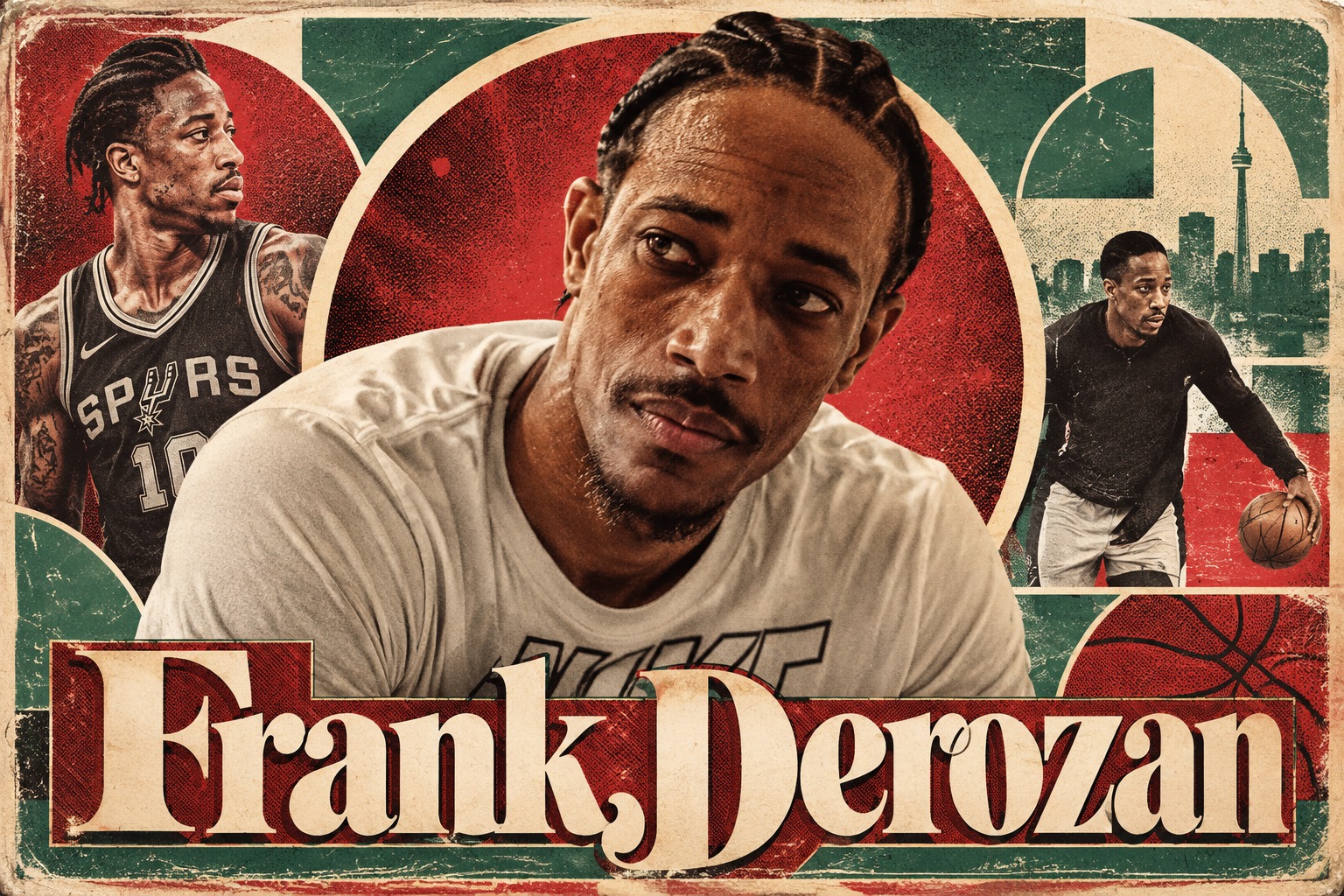
Frank Derozan, commonly styled Frank DeRozan, was the father of NBA player DeMar DeRozan. His life stretched from Louisiana to Compton, California, and ended on February 19, 2021. I find his story most compelling in the repeated accounts of his presence: at games, at practices, and within a family navigating difficult circumstances together.
Frank was born around October 1950. Before his son’s basketball career made the surname widely familiar, he had a sporting history of his own. At Vidalia High School in Louisiana, he became the first African American athlete to play varsity sports. That detail places his youth within the difficult process of racial integration rather than merely in the shadow of a future NBA career.
He later moved to California, worked as a videographer for the city of Compton, and built a family with Diane DeRozan. His work and family responsibilities offer a concrete picture of an adult life whose importance was felt close to home.
A Louisiana Milestone
Frank’s varsity participation at Vidalia High School was a local milestone with a larger social meaning. A place on a team can sound ordinary when separated from its circumstances. In his case, race made the opportunity historic within the school.
The supplied account establishes the barrier he crossed without documenting every scene along the way. Even in that limited form, the achievement deserves its own place in his biography.
It also gives depth to the family’s sporting connection. DeMar was not the first DeRozan for whom athletics mattered. Frank’s experience came in a different time and on a different scale, but it preceded the basketball arenas that would later become part of family life.
Work and Parenthood in Compton
In Compton, Frank worked as a municipal videographer. The occupation involved documenting community events and supplied a professional identity separate from his son’s fame. I like the contrast in scale: Frank worked behind a camera recording a city, while DeMar eventually performed before cameras watched around the world.
That metaphor should not become a claim about a particular film or project. His specific assignments and employment dates are not established here. What is known is his connection to the city’s videography work and the household he supported there.
DeMar was born in Compton on August 7, 1989. Accounts of his upbringing describe Frank as protective and deeply involved in basketball. He encouraged discipline and helped steer his son toward the sport amid the dangers surrounding their neighborhood. DeMar has repeatedly connected his father’s guidance with the work ethic he carried into professional basketball.
Diane DeRozan and Shared Responsibilities
Diane was Frank’s wife and DeMar’s mother. She has lived with lupus, a circumstance that became part of the family’s experience alongside Frank’s own later illnesses. Their household therefore carried responsibilities beyond the pursuit of an athletic career.
Family descriptions associate Diane with emotional strength and firm parenting. Frank’s protective presence and Diane’s insistence on composure appear as complementary influences in DeMar’s account. The combination helps explain why both feature prominently when he talks about his roots.
The exact structure of Frank’s wider family is less settled. Some accounts describe DeMar as an only child, while family tributes indicate that Frank had other children. The names and relationships are not consistently documented. It is more accurate to acknowledge a wider family than to invent named siblings or confidently assign a blended family arrangement.
Watching DeMar’s Career Grow
Frank supported DeMar through his early basketball development, including his years at Compton High School and USC. DeMar entered the NBA when the Toronto Raptors drafted him in 2009. The setting changed from local basketball to professional competition, but Frank’s involvement remained a recurring feature of his son’s story.
DeMar’s descriptions of his father emphasize toughness, loyalty, and confidence. The nickname Big Dog captured Frank’s commanding presence in those family accounts. I read it as a son’s expression of affection and respect rather than as a substitute for the many dimensions of a father’s life.
His influence also appears in DeMar’s willingness to discuss mental health and personal difficulty. DeMar’s public reflections connect basketball achievement with family experience instead of pretending that professional success removes grief or vulnerability. Frank remained part of that discussion after his death.
Grandchildren and the Last Years
Frank was grandfather to DeMar’s daughters Diar and Mari, whose births are placed around 2013 and 2016. Another granddaughter, Darialle, appears in family remembrances, although her parent’s identity is not clearly established in the supplied material. The grandchildren widen the family picture beyond the famous father and son relationship.
In his later years, Frank faced prolonged health problems, including kidney issues. DeMar visited him while playing professionally and at times missed games to be with him. Those choices show how family responsibilities continued alongside the NBA schedule.
Frank died on February 19, 2021, after those health struggles. DeMar subsequently honored him through tattoos, interviews, and family tributes. A 2022 installment of DeMar’s COMP10 series also centered on Frank. I see those remembrances as specific acts of carrying his father forward, with the basketball career serving as one setting for grief rather than its whole expression.
FAQ
Who was Frank Derozan?
Frank Derozan, also written Frank DeRozan, was DeMar DeRozan’s father. He came from Louisiana, later lived in Compton, and worked as a videographer for the city. He died on February 19, 2021, after a prolonged period of ill health.
What was Frank’s own sporting achievement?
He became the first African American athlete to play varsity sports at Vidalia High School in Louisiana. The achievement belongs to his youth and the school’s integration history. It predates DeMar’s professional basketball career by decades.
How did Frank influence DeMar DeRozan?
Frank supported DeMar’s basketball development, attended games and practices, and emphasized discipline and resilience. DeMar has remembered his protective nature and lasting influence in public reflections. After Frank’s death, DeMar continued honoring him through tattoos, interviews, and family remembrances.